Health and Safety Policy for Oven Cleaning Acton
 This health and safety policy sets out the standards, responsibilities, and working practices followed when carrying out oven cleaning in Acton. The purpose is to protect clients, operatives, visitors, and property while ensuring every cleaning task is completed in a controlled, professional, and safe manner. Our approach is based on risk awareness, careful preparation, and consistent use of safe working methods.
We recognise that oven cleaning involves exposure to heat, grease, sharp edges, electrical components, and specialist cleaning products. For that reason, every stage of the service is planned to reduce risk. Oven cleaning Acton services must balance effectiveness with safety, ensuring that the appliance is treated correctly and that the surrounding kitchen remains protected throughout the process.
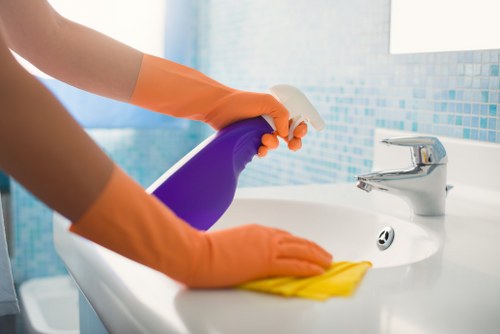 This policy applies to all staff, contractors, and anyone acting on behalf of the business while performing oven cleaning services. It covers pre-clean inspection, equipment handling, product use, personal protective equipment, waste management, and incident response. The policy is reviewed regularly to reflect operational changes and to maintain a high standard of safety and compliance.
Responsibilities and Safe Working Practices
All personnel are expected to follow safe systems of work and to take reasonable care for their own safety and the safety of others. Managers are responsible for training, supervision, and ensuring that suitable equipment and cleaning materials are available. Operatives must use products correctly, report hazards promptly, and stop work if conditions become unsafe.
Oven cleaning professionals should always carry out a basic assessment before beginning work. This includes checking whether the appliance is switched off, whether the area is well ventilated, and whether there are signs of damage, leakage, or excessive buildup. If a fault is identified, the appliance should not be used until the issue has been addressed appropriately.
 A key part of safe practice is maintaining a tidy workspace. Nearby items such as dishware, food, cloths, and decorative objects should be moved away from the immediate area. Floors should be kept clear of spills and equipment to prevent slips and trips. The aim is to make oven cleaning in Acton as controlled and disruption-free as possible while minimising hazards.
Use of Equipment and Cleaning Products
Only suitable tools and approved cleaning products should be used for each job. Products must be stored, handled, and diluted according to manufacturer instructions. Strong chemical agents may be required for heavily soiled ovens, but they must never be mixed with incompatible substances. Staff are trained to recognise the risks linked to fumes, splashes, and skin contact.
Personal protective equipment is essential. Depending on the task, this may include gloves, eye protection, protective clothing, and suitable footwear. Equipment must be inspected before use and replaced when worn or damaged. Where steam or heat is involved, additional care is required to avoid burns and to ensure that surfaces are cool enough to handle safely.
Cleaning techniques should be chosen to reduce unnecessary force or abrasion. Professional oven cleaning should preserve the appliance while removing residue effectively. Internal parts, trays, and removable components should be handled carefully to avoid breakage. Electric connections, seals, fans, and temperature controls must not be exposed to water or chemicals unless the method is specifically safe for that part.
Risk Control, Hygiene, and Incident Response
Hygiene is an important part of safety. Waste residues, used cloths, and removed grease should be collected and disposed of in line with good environmental practice. Hands must be washed after handling cleaning agents, and food preparation areas should be left clean before the appliance is returned to use. This helps to protect household safety and maintain a healthy environment.
Emergency procedures must be understood by everyone carrying out the work. If a chemical splash, slip, cut, or other incident occurs, the task should be paused immediately and appropriate first aid measures should be taken. Any serious event, near miss, or hazardous condition should be reported and recorded so that corrective action can be taken promptly.
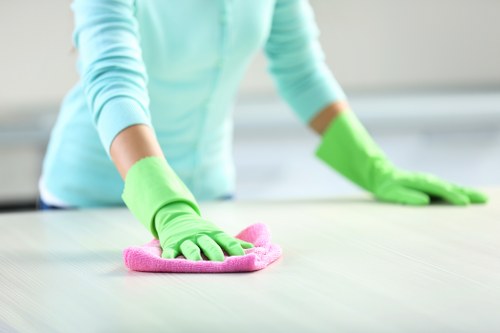 Regular supervision and refresher training help maintain safe standards over time. Staff are expected to remain alert to changing conditions, especially in kitchens where space may be limited or where ventilation is poor. Safe oven cleaning depends on judgement, discipline, and the willingness to stop work whenever the risk level increases beyond acceptable limits.
Monitoring, Review, and Continuous Improvement
We are committed to continuous improvement in all aspects of oven cleaning services. Safety records, feedback from audits, and observations from site work are used to identify trends and improve procedures. Where needed, working methods are updated to reflect new cleaning products, better equipment, or improved safety controls.
This policy is reviewed periodically to confirm that it remains effective, practical, and aligned with best practice. Any updates are communicated clearly to staff so that safe standards remain consistent across every job. The objective is to ensure that Acton oven cleaning is delivered responsibly, with care for people, property, and appliance condition.
 By following this health and safety policy, oven cleaning work can be completed efficiently while keeping risks as low as reasonably possible. A safe approach supports reliable results, protects everyone involved, and reinforces a professional standard of service that customers can trust.