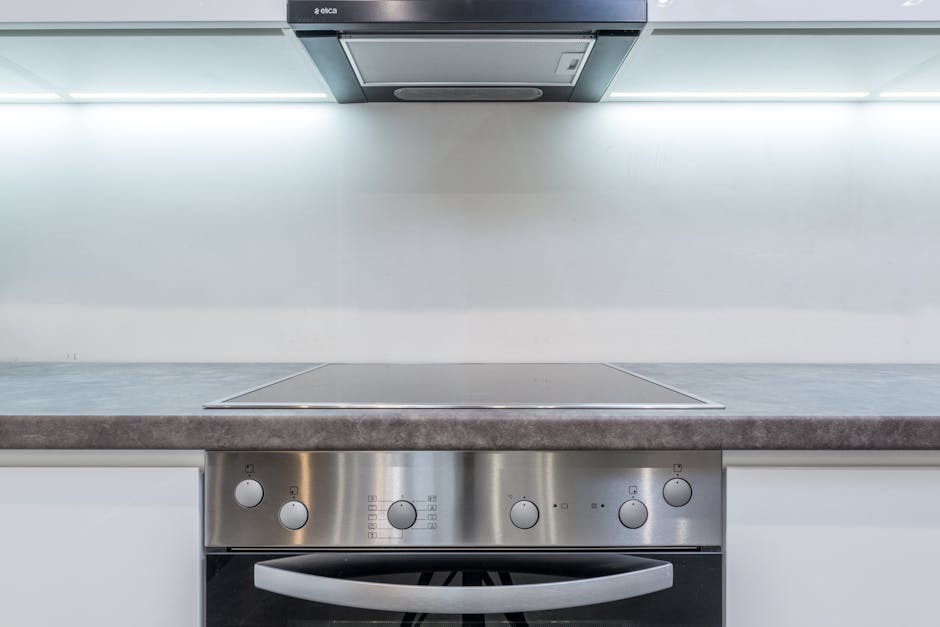
Acton Central station oven cleaning for landlords
If you manage a rental near Acton Central, you already know the little details can make or break a handover. A clean oven is one of those details. It sounds minor right up until a tenant flags baked-on grease, the inventory photos look grim, or the next viewing starts with a smell that lingers the moment the oven door opens. Acton Central station oven cleaning for landlords is about more than appearances; it is about protecting the condition of your property, smoothing changeovers, and making sure the kitchen feels genuinely ready for the next occupier.
In practical terms, this guide explains what oven cleaning for landlords near Acton Central involves, how it works, when it makes sense, and how to judge whether you need a one-off clean, a deeper restoration clean, or a broader end-of-tenancy tidy. We will also cover common mistakes, the standards that matter, and the small operational choices that save time later. Simple stuff on the surface. But, truth be told, these small jobs often do the heavy lifting.
Why Acton Central station oven cleaning for landlords Matters
For landlords, an oven is not just another appliance. It is one of the first things tenants notice in a kitchen, and one of the easiest places for grease, carbon, and food debris to build up over time. Near Acton Central, where flats and shared homes can change hands quickly, the oven often becomes a very visible marker of whether a property has been properly prepared.
A dirty oven can create more than a poor impression. It can lead to complaints at the start of a tenancy, awkward disputes at the end of one, and avoidable delays if the outgoing occupier leaves the appliance in poor condition. If the kitchen is otherwise spotless, a grim oven still drags everything down. You feel that immediately when the oven door opens and you catch that stale, burnt smell. Not ideal.
There is also a business side to it. A professional-looking, hygienic kitchen helps support smoother inspections, better tenant satisfaction, and fewer back-and-forth conversations during move-in or move-out. For landlords who want to keep standards consistent across multiple properties, oven cleaning is a small operational routine with a surprisingly large impact.
When you are managing a property near a busy transport point like Acton Central, speed matters too. Turnarounds can be tight. Tenants want convenience, agents want readiness, and landlords want the property back on the market without avoidable friction. Oven cleaning fits neatly into that wider objective.
How Acton Central station oven cleaning for landlords Works
The process is fairly straightforward, although the quality of the finish depends on the method, the condition of the oven, and whether the cleaner is dealing with a standard domestic oven, a compact apartment unit, or a stubbornly neglected appliance. In a landlord setting, the aim is usually to restore the oven to a presentable, hygienic condition without causing damage to seals, glass, trays, or heating elements.
A proper clean usually begins with an inspection. That means checking the oven type, age, visible build-up, and any sensitive components. Then the removable parts are taken out, degreased, and cleaned separately. The main cavity is treated with suitable cleaning products or a professional system, with attention to the roof, base, sidewalls, fan area, and door glass. Once the residues are loosened, they are removed carefully so the finish looks clean rather than just wet.
In many landlord jobs, timing matters as much as technique. A cleaner may need to work around inventory checks, check-out appointments, or same-day move-in preparations. That is why a good service should be methodical, tidy, and predictable. You do not want anyone using harsh shortcuts that leave smells behind or splashes on surrounding cabinetry.
To keep the broader property in good shape, many landlords pair oven cleaning with end of tenancy cleaning or book it as part of a wider deep cleaning visit. That makes sense if the kitchen needs a fuller refresh, not just the oven itself.
Key Benefits and Practical Advantages
The obvious benefit is a cleaner oven. But the better value for landlords is what that clean oven helps prevent.
- Better first impressions: New tenants notice kitchen hygiene straight away, and oven condition heavily shapes that impression.
- Fewer disputes: A documented, professionally cleaned oven reduces arguments about pre-existing grime or post-tenancy standards.
- Improved let-ready presentation: A clean oven helps the whole kitchen look move-in ready, even if the property is compact.
- Reduced odours: Built-up grease and burnt residue can create unpleasant smells when the oven heats up.
- Longer appliance life: Regular removal of grease and food residue can help the oven function more reliably over time.
- Less stress during inspections: It is one less thing to worry about when inventory clerks or tenants are walking through the property.
There is also a subtle reputational benefit. If tenants see that the landlord or managing agent takes cleanliness seriously, they are more likely to treat the property with care too. It is not magic, obviously, but it nudges behaviour in the right direction.
Expert summary: For landlords near Acton Central, oven cleaning works best when treated as part of property readiness, not as an afterthought. The cleanest handovers usually come from routine upkeep, a clear checklist, and one good decision made early rather than three rushed ones later.
Who This Is For and When It Makes Sense
This service is not only for large portfolio landlords. In fact, it is often most useful for smaller landlords who want a dependable, repeatable standard without spending time scrubbing appliances themselves. If you let a one-bed flat, a family home, or a shared property near Acton Central station, a clean oven is part of the basic letting standard most tenants expect.
It makes particular sense in these situations:
- between tenancies, before new tenants move in
- after a long tenancy where the oven has seen regular use
- before a professional inventory or check-out inspection
- after a student tenancy or shared-house let, where ovens often take a harder beating
- before marketing photos, viewings, or re-letting
- when the oven smells greasy, smoky, or stale even after light cleaning
It is also sensible if you are managing the property remotely or through an agent and simply want one less variable to think about. Let's face it, a landlord's job is often about reducing little headaches before they become larger ones.
If the property has had wider wear and tear, it can be worth combining oven cleaning with one-off cleaning or broader house cleaning so the whole place feels coherent rather than half-done.
Step-by-Step Guidance
If you are organising Acton Central station oven cleaning for landlords for the first time, the easiest way to approach it is in stages. That keeps the job tidy and helps you compare quotes or service levels without getting lost in the details.
- Check the oven condition. Look at the door glass, racks, trays, fan, seals, and visible grease build-up. Note any damage before cleaning starts.
- Decide the scope. Is it the oven only, or do you need the hob, extractor, and surrounding kitchen surfaces done too?
- Choose timing carefully. Book the service before check-in, after check-out, or in the gap between decorating and inventory visits.
- Clear access. Make sure the kitchen is accessible, with enough space to work safely. A cleaner cannot do a neat job if boxes are piled in front of the oven. Slightly obvious, but it happens.
- Confirm what is included. Ask whether the clean covers removable parts, racks, fan area, glass doors, and the oven exterior.
- Inspect the result immediately. Check for lingering residue, streaks on the glass, or grease around the frame before the cleaner leaves.
- Document for records. Keep a note or photo set for your inventory file. That can be very handy if a question comes up later.
If you are trying to compare options, a local oven cleaner may be enough for a single appliance, while a larger cleaning company may suit landlords who want a more coordinated service across several tasks.
Expert Tips for Better Results
There are a few small habits that consistently improve the outcome. These are the sort of things that make a clean feel properly finished rather than merely acceptable.
- Book before the pressure point. If move-in day is tomorrow morning, you are already too late. Give yourself breathing space.
- Match the method to the oven condition. A light-use oven does not need the same treatment as one that has not been deep-cleaned for ages.
- Ask about protective handling. Older seals, delicate glass, and tired hinges need a careful approach.
- Check ventilation nearby. Strong cleaning smells should not linger in a closed-up flat for the next tenant.
- Combine tasks sensibly. If the kitchen is already being prepared, it can be efficient to add surfaces, extractor areas, or carpet cleaning if the property needs a fuller refresh.
- Keep a photo record. Before-and-after photos are not glamorous, but they save time when expectations get fuzzy.
One practical tip many landlords overlook: if an oven has heavy baked-on carbon, do not assume every cleaner will treat it the same way. Ask what level of restoration is realistic before booking. That five-minute conversation can save a lot of disappointment later.
Also, if the property is in a higher-turnover part of Acton, it is worth planning cleaning around the calendar rather than reacting to complaints. A predictable routine is much calmer. Much, much calmer.
Common Mistakes to Avoid
The biggest mistakes tend to be simple ones. Nothing dramatic. Just the sort of choices that sound harmless at the time and then create admin later.
- Leaving oven cleaning until the last minute. That creates pressure and limits your options.
- Assuming the tenant will sort it. Tenancy agreements may set expectations, but in practice the result can still be messy or inconsistent.
- Choosing purely on price. The cheapest option is not always the one that delivers a proper, inspection-ready finish.
- Forgetting the extractor and surrounding area. A clean oven next to a greasy splashback still looks unfinished.
- Not checking whether the clean is suitable for the appliance type. Older or integrated ovens may need extra care.
- Skipping documentation. If there is a later dispute, you will wish you had a photo or note.
Another quiet mistake is booking a general cleaning visit when the oven actually needs specialist attention. A standard wipe-down is fine for light dirt, but if the glass is dark with carbon and the trays are stuck with residue, you probably need a proper oven-specific clean. Otherwise you are paying twice, which nobody enjoys.
Tools, Resources and Recommendations
You do not need to be hands-on with the tools yourself, but it helps to understand what a professional cleaner may use and what signals a competent service.
| Approach | Best for | Strengths | Watch-outs |
|---|---|---|---|
| Manual detailing | Light to moderate build-up | Careful around seals and delicate parts | Can take longer on heavy grease |
| Professional oven-cleaning system | Most landlord handovers | Efficient, thorough, and usually good on racks and glass | Needs the right handling and ventilation |
| Full kitchen clean add-on | Move-in or move-out resets | Better visual consistency across the room | May be more than you need for a single appliance |
For landlords, the most useful supporting resources are often the boring ones, honestly: inventory notes, dated photos, tenancy checklists, and a record of any appliance issues. If you are dealing with multiple properties, a simple file naming system can save more time than you would expect.
You may also find it helpful to understand the wider service offering from a local cleaners team, especially if you want the oven done alongside window cleaning or a broader refresh before a new tenancy starts.
Law, Compliance, Standards, or Best Practice
This topic does not usually involve complex legal procedure, but landlords should still think in terms of duty of care, tenancy obligations, and good recordkeeping. In the UK, the practical expectation is straightforward: provide a property that is safe, reasonably clean, and fit for occupation at the start of the tenancy, then maintain agreed standards across the term.
Oven cleaning itself is not a regulated legal procedure in the way some specialist trades are, but the work should still be carried out responsibly. That means using suitable products, working safely around heat and electrics, and avoiding damage to the appliance or surrounding fixtures. If a cleaner is using strong chemicals, they should also handle ventilation and residue removal properly. No one wants the smell of cleaning fluid hanging around in a closed flat for two days.
Good best practice for landlords includes:
- keeping dated before-and-after photos
- making appliance condition part of the inventory
- checking tenancy terms around cleanliness and maintenance
- booking cleaning with enough time before handover
- using insured providers where possible
If you want to understand wider company safeguards, it can help to review pages such as insurance and safety and health and safety policy. That does not replace your own due diligence, of course, but it does give you a clearer picture of how the work is approached.
For landlords who manage deposits or end-of-tenancy expectations carefully, a tidy, documented oven clean helps support a defensible position if any later query comes up. Not glamorous, but useful. Very useful.
Options, Methods, or Comparison Table
There is more than one way to deal with an oven that needs attention. The right choice depends on the level of grime, how quickly the property needs to be ready, and whether you are preparing for a single tenant change or a broader refurbishment of the kitchen.
| Option | Best when | Pros | Cons |
|---|---|---|---|
| Basic landlord wipe-down | The oven is lightly used and already fairly clean | Quick, inexpensive, fine for touch-up work | May not remove baked-on grease or odour |
| Professional oven clean | You need a proper finish for check-in or check-out | More thorough, better presentation, less stress | Requires booking and a bit more coordination |
| Full tenancy reset with broader cleaning | The whole property needs refreshing | Best overall result for lettable presentation | More time, more moving parts, more cost |
For many landlords, the middle option is the sweet spot. It is enough to create a proper handover standard without overcommitting to a full-property clean if the rest of the flat is already in good shape.
Case Study or Real-World Example
Here is a realistic example. A landlord with a one-bedroom flat near Acton Central had a tenant moving out at the end of the week and a new tenancy starting soon after. The flat was generally tidy, but the oven had heavy grease on the racks and a dark film on the inner glass. Nothing shocking, just one of those jobs that tends to be put off until it becomes impossible to ignore.
The landlord booked an oven clean before the inventory appointment rather than after. That gave enough time to inspect the result, air the kitchen, and take photos for the file. The cleaner removed the racks, cleaned the cavity, addressed the door glass, and left the appliance ready for the next tenant. Because the oven was handled early, the landlord did not have to juggle the cleaning visit around key handover and checkout timings. Small win, big relief.
What made this work well was not just the cleaning itself. It was the planning. The oven was treated as part of the tenancy change, not as a separate nuisance task to be dealt with later. That one decision kept the turnover smooth and the kitchen presentable without last-minute scrambling.
If the property had needed more than the oven, the landlord could have extended the visit into oven cleaning plus additional domestic tasks, but in this case a focused appliance clean was enough. Sometimes that is all you need. No drama.
Practical Checklist
Use this checklist before booking or completing an oven clean for a rental property near Acton Central.
- Check the current oven condition with photos
- Confirm whether the job is for check-in, check-out, or routine upkeep
- Decide if the hob, extractor, and splashback should be included
- Make sure the kitchen is accessible and free of clutter
- Ask what is included in the service
- Ask how the cleaner handles heavy carbon build-up
- Confirm whether the service provider is insured
- Allow time for airing the kitchen before the next tenant arrives
- Inspect the oven after cleaning
- Save photos and notes for inventory records
One more thing: if the kitchen is getting close attention, check nearby surfaces too. A spotless oven beside dusty kickboards is a bit like polishing one shoe and leaving the other muddy. You notice it immediately.
Get a free quote today and see how much you can save.
Conclusion
Acton Central station oven cleaning for landlords is one of those practical jobs that quietly protects the quality, presentation, and smooth turnover of a rental property. It helps with inspections, supports better first impressions, reduces tenant friction, and gives you a cleaner handover story to stand behind if questions arise later.
The best results usually come from planning the clean at the right time, choosing the right level of service, and keeping a proper record of what was done. Not every oven needs the same treatment, and not every tenancy change needs a full deep clean. But a well-timed oven clean? That almost always pays for itself in calmer handovers and fewer awkward conversations.
If you are managing a property near Acton Central, keep the process simple, keep it documented, and do not leave it until the last minute. A tidy oven does not solve every landlord headache, of course, but it removes one of the most visible ones. And that is a decent place to start.
For more background on the company and wider service approach, you can also review the about us page, plus practical policy pages such as terms and conditions and pricing and quotes.
Frequently Asked Questions
What does Acton Central station oven cleaning for landlords usually include?
It usually covers the oven cavity, racks, trays, door glass, and visible grease or carbon build-up. Some providers also include exterior detailing and surrounding touch points if requested. Always confirm the exact scope before booking.
Is oven cleaning worth it between tenancies?
Yes, especially if you want a smooth handover and a better first impression for the next tenant. A clean oven can also help reduce complaints and prevent awkward inventory disputes later.
How often should a landlord arrange oven cleaning?
That depends on usage, tenancy length, and tenant housekeeping, but many landlords prefer to clean ovens at every changeover or whenever the appliance shows visible build-up. For long lets, a mid-tenancy clean can also make sense.
Can a tenant be asked to clean the oven on leaving?
Tenancy terms often expect the property to be left in a reasonably clean condition, but the actual result varies. Many landlords prefer to arrange professional cleaning if they want a dependable standard rather than relying on the outgoing tenant.
What if the oven is very greasy or neglected?
Then it may need a more specialist or restorative clean rather than a basic wipe-down. Heavy build-up takes longer, and it is better to set expectations clearly before the appointment so nobody is disappointed.
Do I need oven cleaning as part of end of tenancy cleaning?
Often, yes. The oven is one of the most inspected items at check-out, and it is usually worth treating it as a separate focus within a wider end-of-tenancy clean.
How do I know if a cleaning service is suitable for rental properties?
Look for clear scope, good communication, and evidence of safe working practices. For landlords, it helps if the provider can explain what is included, how they handle appliance care, and whether they are insured.
Will oven cleaning smell strongly afterwards?
A professional clean should not leave a harsh lingering smell for long. The kitchen may need a short airing period, but the result should be clean rather than chemical-heavy. If the scent hangs around too much, that is a red flag.
Can oven cleaning help with tenant complaints about smells?
Yes. Old grease and food residue can create unpleasant smells when the oven is used. Cleaning the appliance properly can remove a common source of that problem, which is a relief for everyone involved.
Should I book oven cleaning on its own or with other services?
If the rest of the property is already in good shape, a standalone oven clean can be enough. If the whole flat needs a reset, it is often more efficient to combine it with general cleaning or a wider turnover service.
Is there a best time to book oven cleaning near Acton Central?
The best time is usually just after checkout and before the next tenancy begins, with enough room in the diary to inspect the result and let the kitchen air out. That little gap saves stress later.
What should I check after the clean is finished?
Check the glass, racks, oven floor, door edges, and any spots around the frame. If you can, take photos for your records. It is a small step, but it protects you if questions come up after move-in.